Початок
July 5, 2026
Завершення
September 5, 2026
Респонденти
5,463
Архів опитування
Отримати дані
Over the past few years, many of our previously-held convictions seem to have been getting overturned at an alarming rate.
Ideas such as the idea that AI would never be able to truly do a developer's job. That at its core, the tech community was all about progressive and humanistic values. Or that hardware costs always came down over time.
And sure, the smartest among us may be feeling smug right now, saying they knew all along things would turn out this way. But that's little comfort when you still have to bear the consequences of these changes.
“These questions feel really personal”; ”This is going to be too controversial”; “You should stick to programming surveys”.
This is some of the initial feedback I got when I first floated the idea of running a developer survey entirely dedicated to workplace issues, health, hobbies, and other topics unrelated to code.
Yet I'm glad I went ahead. This survey's 8,717 respondents are proof that it struck a chord with the developer community – and the much higher participation rate from women in particular (compared to previous surveys) shows that there was demand for something that focused on these less-discussed issues.
While you browse the data, make sure to also check out the many comments (comment icon) left by respondents as they took the survey, in which they share their personal stories and thoughts in much more detail.
With all this out of the way, please enjoy the results from the first ever State of Devs survey!
Note: because of the amount of data involved, these results will be released in two parts. Please enjoy part 1 for now!
It is an uncertain time to be a developer.
Nearly half of this year's survey respondents had experienced job insecurity and insufficient wages. A quarter had been laid off at some point in their career, and nearly 1 in 10 had been laid off within the last 9 months. Over a quarter anticipated needing to change careers altogether within the next 5 years.
Посилання на секціюПроблеми на роботі
(Mental) State Management
This was the first Devographics survey to ask about developers' mental state, and the results hint at some worrying changes in what it feels like to be a software developer, too. Around two thirds of respondents had felt less motivated and more cynical recently. Around half had struggled to focus, procrastinated more, felt unusually drained, and felt less accomplished and effective at work.
Посилання на секціюПсихічний стан✨
Посилання на секціюПроблеми на роботі
We Need to Talk About AI
There is also an elephant lurking in the room, quietly fuelling the uncertainty. And for the first time this year, Devographics asked developers to share their views on it. I am, of course, talking about AI.
While AI use was extremely prevalent, views towards AI were heavily polarised, with 49% of respondents feeling positive towards it, and 42% feeling negative.
Посилання на секціюСтавлення до ШІ✨
Посилання на секціюПсихічний стан і ШІ✨
Ongoing Issues
And while it feels as if AI is changing too many things too fast, some things in software development change frustratingly slowly.
People who identify as female continue to be far more likely to experience discrimination than their male colleagues. Troublingly, they are also more likely to avoid colleagues, change their behaviour or appearance, or even change careers in response to workplace issues. This suggests it is still the path of least resistance for women to mould, change or erase themselves to fit in with a workplace culture that disadvantages them, rather than expecting that industry to change.
Similarly, LGBT+ respondents and respondents with ADHD and autism described feeling pressure to hide their identity at work. Unfair treatment and pressure to mask puts these groups at additional risk of burnout and its related harms.
Посилання на секціюДискримінація
Strange Winds
Being a developer right now might feel a little like being in the middle of a sandstorm. Strange winds are blowing, and it can be hard to see the path ahead. But if we keep a conversation going—if we continue to talk about the impact of AI, the parts of our work that give us joy and meaning, and how we can stand up for them—maybe the landscape will look all the more beautiful once the dust settles.
Посилання на секціюЕмоції щодо галузі✨
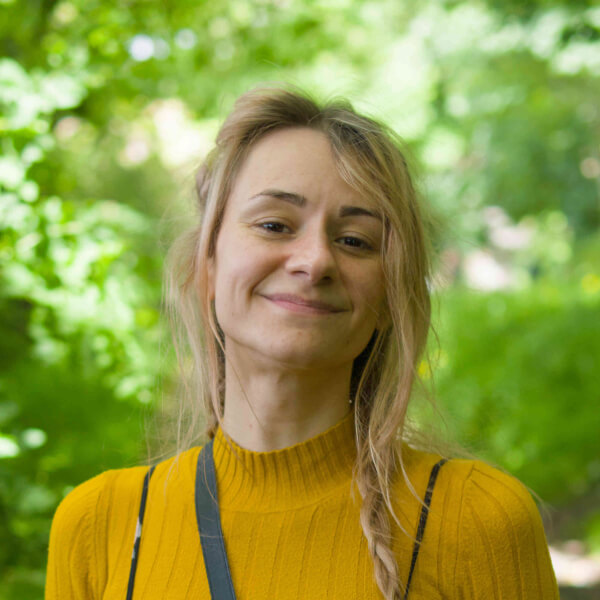
Miranda Heath
Наші партнери